 درباره ما

 تماس با ما

 محصولات


AC Compressor: A Buyer's Guide


AC Compressor Buying Guide
Find the right AC compressor for your needs. Consider:
- Type: Rotary, scroll, etc.
- Capacity: Match your AC unit's requirements.
- Efficiency: Look for high SEER ratings.
- Brand: Choose reputable brands.
- Price: Compare prices and warranties.
Introduction
Air conditioning systems are essential for maintaining comfortable indoor environments, especially during hot weather. At the heart of every AC system lies the compressor, a critical component responsible for circulating refrigerant and enabling the cooling process. Selecting the right AC compressor is crucial for ensuring efficient and reliable performance. This comprehensive guide provides detailed information to help you make an informed decision when purchasing an AC compressor.
What is an AC Compressor?
The AC compressor is essentially the pump of the air conditioning system. Its primary function is to compress the refrigerant gas, increasing its temperature and pressure. This high-pressure, high-temperature refrigerant then flows through the condenser, where it releases heat and turns into a liquid. The liquid refrigerant then passes through an expansion valve, reducing its pressure and temperature before entering the evaporator coil. In the evaporator, the cold refrigerant absorbs heat from the indoor air, cooling the space. The refrigerant then returns to the compressor to repeat the cycle.
Types of AC Compressors
There are several types of AC compressors, each with its own advantages and disadvantages:
-
Reciprocating Compressors: These compressors use a piston and cylinder to compress the refrigerant. They are commonly used in smaller AC units and are known for their relatively low cost.
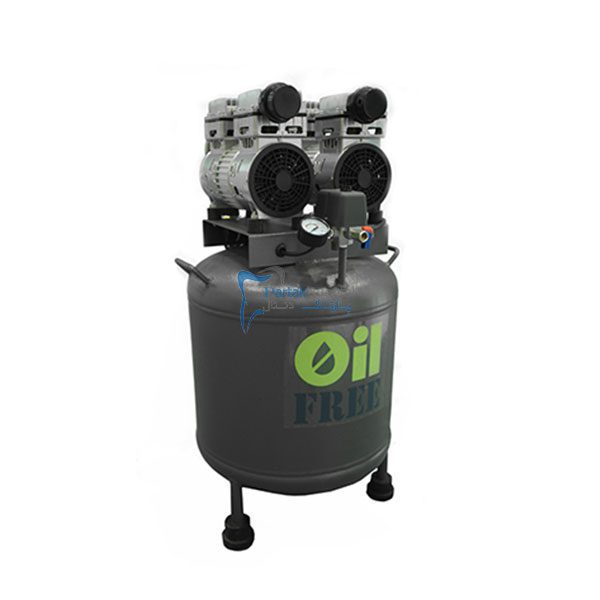
- Rotary Compressors: Rotary compressors use a rotating mechanism to compress the refrigerant. They are often more efficient and quieter than reciprocating compressors.
- Scroll Compressors: Scroll compressors use two spiral-shaped scrolls to compress the refrigerant. They are known for their high efficiency, quiet operation, and reliability. They are typically found in larger AC units.
- Screw Compressors: Screw compressors use two meshing screws to compress the refrigerant. They are generally used in large commercial and industrial AC systems due to their high capacity and efficiency.
- Centrifugal Compressors: Centrifugal compressors use an impeller to increase the velocity and pressure of the refrigerant. Like screw compressors, these are most common in large commercial and industrial applications.
-
Inverter Compressors: These compressors are variable speed, meaning they can adjust their output based on the cooling demand. This results in higher energy efficiency and more consistent temperatures. They are more expensive but offer significant long-term savings.

Key Factors to Consider When Buying an AC Compressor
Choosing the right AC compressor involves considering several key factors to ensure optimal performance and longevity. Here's a detailed breakdown:
Size and Capacity
The size and capacity of the compressor must match the cooling needs of your space. An undersized compressor will struggle to cool the area effectively, leading to higher energy consumption and potential premature failure. An oversized compressor, on the other hand, may cycle on and off too frequently, reducing efficiency and potentially causing discomfort.
To determine the appropriate compressor size, calculate the square footage of the space you need to cool. Then, consider factors such as the climate, insulation, window placement, and the number of occupants. BTU (British Thermal Units) ratings are commonly used to measure cooling capacity. Consult with an HVAC professional to perform a load calculation and determine the correct BTU rating for your specific needs.
SEER Rating
The Seasonal Energy Efficiency Ratio (SEER) rating indicates the energy efficiency of an AC compressor. A higher SEER rating means greater energy efficiency and lower operating costs. Modern AC compressors typically have SEER ratings ranging from 13 to 25 or higher.
While compressors with higher SEER ratings have a higher upfront cost, they can save you a significant amount of money on energy bills over the lifespan of the unit. Consider your budget, energy usage patterns, and the climate in your area when choosing a SEER rating. Look for Energy Star certified models for guaranteed energy efficiency.
Noise Level
The noise level of an AC compressor can be a significant consideration, especially if the unit is located near living areas or bedrooms. Compressors produce noise during operation, and some models are significantly quieter than others.
Noise levels are typically measured in decibels (dB). Look for models with a low dB rating to minimize noise pollution. Features such as sound-dampening materials and vibration isolation mounts can also help reduce noise levels. Read reviews and consult with HVAC professionals to get an idea of the noise level of different compressor models.
Refrigerant Type
The type of refrigerant used in the AC compressor is another important factor to consider. Older AC systems often use refrigerants like R-22, which are being phased out due to their harmful effects on the environment. Newer systems use more environmentally friendly refrigerants like R-410A or R-32.
When purchasing a new AC compressor, choose a model that uses an environmentally friendly refrigerant. This will not only reduce your environmental impact but also ensure compliance with future regulations. Additionally, ensure that the refrigerant type is compatible with your existing AC system if you are only replacing the compressor.
Brand Reputation
Choosing a reputable brand is essential for ensuring the quality, reliability, and longevity of your AC compressor. Well-known brands often have a proven track record of producing high-quality products and providing excellent customer support.

Research different brands and read reviews from other customers to get an idea of their reputation. Look for brands that offer comprehensive warranties and have a readily available network of service technicians. Investing in a reputable brand can save you money and headaches in the long run.
Warranty
A comprehensive warranty provides peace of mind and protects your investment in an AC compressor. Look for models that offer a reasonable warranty period, covering both parts and labor.
Read the warranty terms and conditions carefully to understand what is covered and what is not. Pay attention to any exclusions or limitations. Some warranties may require regular maintenance to remain valid. Choose a compressor with a warranty that provides adequate protection against defects and premature failure.
Installation
Proper installation is critical for ensuring the performance and longevity of your AC compressor. It is generally recommended to hire a qualified HVAC technician to install the compressor.
A professional technician will have the knowledge, skills, and tools necessary to install the compressor correctly and safely. They will also be able to ensure that the system is properly charged with refrigerant and that all connections are secure. Improper installation can lead to reduced efficiency, increased energy consumption, and potential damage to the compressor.
Maintenance
Regular maintenance is essential for keeping your AC compressor in optimal condition and extending its lifespan. Simple maintenance tasks can be performed by homeowners, while more complex tasks should be handled by a qualified HVAC technician.
Here are some essential maintenance tasks:
- Clean the Condenser Coils: Dirty condenser coils can reduce the efficiency of the compressor. Clean the coils regularly using a soft brush or a garden hose.
- Replace Air Filters: Dirty air filters can restrict airflow and cause the compressor to work harder. Replace air filters every one to three months, depending on usage and air quality.
- Inspect and Clean the Evaporator Coils: The evaporator coils can also become dirty and reduce efficiency. Inspect and clean the coils annually.
- Check Refrigerant Levels: Low refrigerant levels can indicate a leak in the system. Have a qualified technician check and recharge the refrigerant levels if necessary.
- Lubricate Moving Parts: Some compressors have moving parts that require periodic lubrication. Follow the manufacturer's instructions for lubrication.
Troubleshooting Common Compressor Issues
Even with proper maintenance, AC compressors can sometimes experience issues. Here are some common problems and potential solutions:
- Compressor Not Starting: This could be due to a tripped circuit breaker, a faulty capacitor, or a problem with the thermostat. Check the circuit breaker and replace the capacitor if necessary. If the problem persists, consult with a technician.
- Compressor Running But Not Cooling: This could be due to low refrigerant levels, a dirty condenser coil, or a faulty expansion valve. Check the refrigerant levels and clean the condenser coil. If the problem persists, consult with a technician.
- Compressor Making Unusual Noises: Unusual noises could indicate a mechanical problem with the compressor. Turn off the system and consult with a technician immediately.
- Compressor Cycling On and Off Frequently: This could be due to an oversized compressor, dirty air filters, or a low refrigerant level. Check the air filters and refrigerant level. If the problem persists, consult with a technician.
Cost Considerations
The cost of an AC compressor can vary significantly depending on the type, size, SEER rating, and brand. Consider your budget and long-term energy savings when choosing a compressor.
- Upfront Cost: Compressors with higher SEER ratings and advanced features typically have a higher upfront cost.
- Installation Cost: Professional installation can add to the overall cost. Get quotes from multiple technicians to ensure a fair price.
- Energy Costs: Choose a compressor with a high SEER rating to minimize long-term energy costs.
- Maintenance Costs: Factor in the cost of regular maintenance, such as air filter replacements and coil cleaning.
- Repair Costs: While a good warranty can help mitigate repair costs, be prepared for potential repairs down the line.
When to Consider Upgrading Your Compressor
There are several scenarios when upgrading your AC compressor may be a worthwhile investment:
- Old and Inefficient Compressor: If your current compressor is old and inefficient, upgrading to a newer, more energy-efficient model can significantly reduce your energy bills.
- Frequent Repairs: If your compressor requires frequent repairs, it may be more cost-effective to replace it altogether.
- Changing Cooling Needs: If your cooling needs have changed (e.g., you've added an addition to your home), you may need a larger compressor to adequately cool the space.
Dealing with Common AC Problems Affecting Compressors
Addressing AC problems early can prevent further damage to the compressor. Here are some common issues and their impact:
- Refrigerant Leaks: Leaks can cause the compressor to work harder, leading to overheating and potential failure.
- Dirty Coils: Dirty condenser or evaporator coils reduce the compressor's efficiency and can cause it to overheat.
- Electrical Issues: Problems with the electrical components, such as capacitors or wiring, can prevent the compressor from starting or cause it to fail prematurely.
Choosing the Right HVAC Professional
When hiring an HVAC professional for installation, maintenance, or repair of your AC compressor, consider the following:
- Experience and Qualifications: Ensure that the technician is licensed, certified, and has experience working with AC compressors.
- Reputation and Reviews: Read online reviews and ask for references to gauge the technician's reputation and quality of work.
- Pricing and Transparency: Get a detailed estimate of the costs involved and ensure that the technician is transparent about their pricing.
- Warranty and Guarantees: Choose a technician who offers a warranty or guarantee on their workmanship.
Conclusion
Selecting the right AC compressor is a significant decision that can impact your comfort, energy consumption, and long-term costs. By considering the factors outlined in this guide, you can make an informed choice and ensure that your AC system operates efficiently and reliably for years to come. Always consult with qualified HVAC professionals for personalized advice and assistance.