 درباره ما

 تماس با ما

 محصولات


Car Wash Compressor: A Buyer's Guide


Car Wash Air Compressor: A Buyer's Guide
Choosing the right air compressor for your car wash can improve efficiency and service quality.
Key Considerations
- CFM (Cubic Feet per Minute): Higher CFM for more powerful tools.
- PSI (Pounds per Square Inch): Match PSI to your tool requirements.
- Tank Size: Larger tanks reduce compressor cycling.
- Power Source: Electric or gas-powered, based on your needs.
- Portability: Consider if you need a portable unit.
Types of Compressors
- Single-Stage Compressors: Suitable for light-duty tasks.
- Two-Stage Compressors: More powerful and durable for heavy use.
Maintenance Tips
- Drain tank regularly to remove moisture.
- Check and replace air filters.
- Inspect hoses and connections for leaks.
Investing in a quality air compressor can lead to long-term savings and improved car wash operations.
Table of Contents
Introduction to Car Wash Compressors What is an Air Compressor? Types of Air Compressors Reciprocating (Piston) Compressors Rotary Screw Compressors Centrifugal Compressors Key Factors to Consider When Buying a Car Wash Compressor CFM (Cubic Feet per Minute) PSI (Pounds per Square Inch) Tank Size Power Source Single-Stage vs. Two-Stage Compressors Duty Cycle Noise Level Lubrication (Oil-Free vs. Oil-Lubricated) Brand Reputation and Reliability Maintenance Requirements Cost and Budget Additional Features and Accessories Air Dryers and Filtration Installation Considerations Safety Tips for Using Air Compressors Sizing the compressor to carwash needs Remote monitoring Top Air Compressor Brands and Models for Car Washes ConclusionIntroduction to Car Wash Compressors: A Buyer's Guide
Running a successful car wash business requires more than just soap and water. A reliable air compressor is crucial for powering various tools, from tire inflators and pneumatic tools to operating car wash equipment. This comprehensive guide will walk you through everything you need to know about choosing the right air compressor for your car wash.
What is an Air Compressor?
An air compressor is a device that converts power (usually from an electric motor or gasoline engine) into potential energy stored in pressurized air. It works by forcing more and more air into a storage tank, raising the pressure. This pressurized air can then be used to power a wide range of tools and equipment.
Types of Air Compressors
There are several types of air compressors, each with its own advantages and disadvantages. The most common types are:
Reciprocating (Piston) Compressors
Reciprocating compressors, also known as piston compressors, use a piston driven by a crankshaft to compress air in a cylinder. These are the most common type of air compressor, especially for smaller to medium-sized car washes. They are relatively inexpensive and easy to maintain.
Advantages:
- Lower initial cost
- Easy to maintain
- Suitable for intermittent use
Disadvantages:
- Noisier than other types
- Higher maintenance frequency compared to rotary screw compressors
- Can produce pulsed airflow

Rotary Screw Compressors
Rotary screw compressors use two rotating screws to compress air. These are more expensive than reciprocating compressors but offer higher efficiency, quieter operation, and longer lifespan. They are ideal for larger car washes with high air demand and continuous operation.
Advantages:
- Quiet operation
- Continuous duty cycle
- Longer lifespan
- More energy-efficient than reciprocating compressors
Disadvantages:
- Higher initial cost
- More complex maintenance

Centrifugal Compressors
Centrifugal compressors use a rotating impeller to draw air into the compressor and then accelerate and compress the air using centrifugal force. These are typically used for very large industrial applications requiring extremely high airflow rates. Centrifugal compressors are generally overkill for car washes unless it's a very large facility with specialized needs.
Advantages:
- Extremely high airflow capacity
- Reliable and durable
Disadvantages:
- Very high initial cost
- Complex design
- Not suitable for small to medium-sized car washes
Key Factors to Consider When Buying a Car Wash Compressor
Choosing the right air compressor for your car wash involves considering several factors to ensure it meets your specific needs and budget.
- CFM (Cubic Feet per Minute)
- PSI (Pounds per Square Inch)
- Tank Size
- Power Source
- Single-Stage vs. Two-Stage Compressors
- Duty Cycle
- Noise Level
- Lubrication (Oil-Free vs. Oil-Lubricated)
- Brand Reputation and Reliability
- Maintenance Requirements
- Cost and Budget
- Additional Features and Accessories
CFM (Cubic Feet per Minute)
CFM measures the volume of air a compressor can deliver per minute. This is the most critical factor when choosing a compressor. You need to determine the CFM requirements of all the tools and equipment you plan to operate simultaneously. Add up the CFM requirements of each tool, and then add a safety margin of 20-30% to ensure the compressor can handle the load.
Example:
If you plan to use:
- Tire inflator (4 CFM)
- Pneumatic blower (5 CFM)
- Air-powered vacuum (3 CFM)
Total CFM required: 4 + 5 + 3 = 12 CFM
Safety margin (30%): 12 x 0.30 = 3.6 CFM
Recommended compressor CFM: 12 + 3.6 = 15.6 CFM
PSI (Pounds per Square Inch)
PSI measures the air pressure delivered by the compressor. Ensure that the compressor's PSI rating meets or exceeds the requirements of your tools and equipment. Most pneumatic tools require between 90 and 120 PSI. A compressor with a maximum PSI of 150 or higher provides a good buffer.
Tank Size
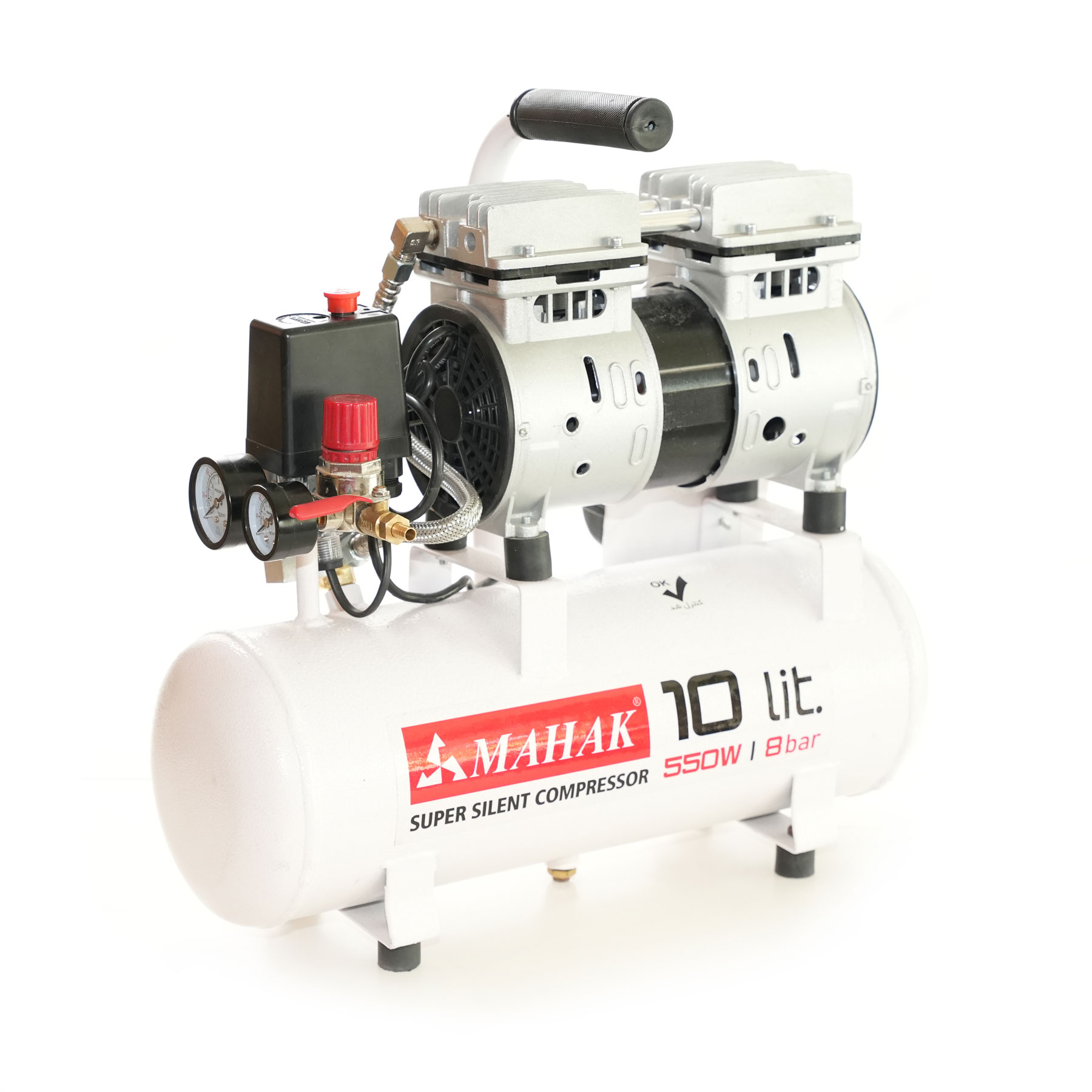
Tank size determines how much compressed air is stored and readily available. A larger tank allows you to run tools for a longer time without the compressor constantly cycling on and off. For car washes, a tank size of at least 60 gallons is recommended, especially for continuous operation.
Power Source
Air compressors are typically powered by electricity or gasoline. Electric compressors are more common for car washes due to their quieter operation and lower emissions. Ensure that your facility has the appropriate electrical outlets (voltage and amperage) to support the compressor's power requirements. Consider 220V electric compressors for larger operations as these can be more efficient.
Single-Stage vs. Two-Stage Compressors
Single-stage compressors compress air in a single stroke of the piston, typically delivering air pressure up to 125 PSI. They are less expensive and suitable for light to medium-duty applications.
Two-stage compressors compress air in two stages, resulting in higher pressure (up to 175 PSI or more) and greater efficiency. They are more durable and suitable for heavy-duty, continuous operation, making them a better choice for busy car washes.
Duty Cycle
The duty cycle is the percentage of time a compressor can operate continuously within a given period (usually an hour). For example, a 50% duty cycle means the compressor can run for 30 minutes and needs to rest for 30 minutes. Car washes require compressors with a high duty cycle (at least 70%) to handle the demands of continuous operation.
Noise Level
Air compressors can be noisy, which can be a nuisance for employees and customers. Consider purchasing a compressor with a lower decibel (dB) rating or investing in noise-dampening enclosures. Rotary screw compressors are generally quieter than reciprocating compressors.
Lubrication (Oil-Free vs. Oil-Lubricated)
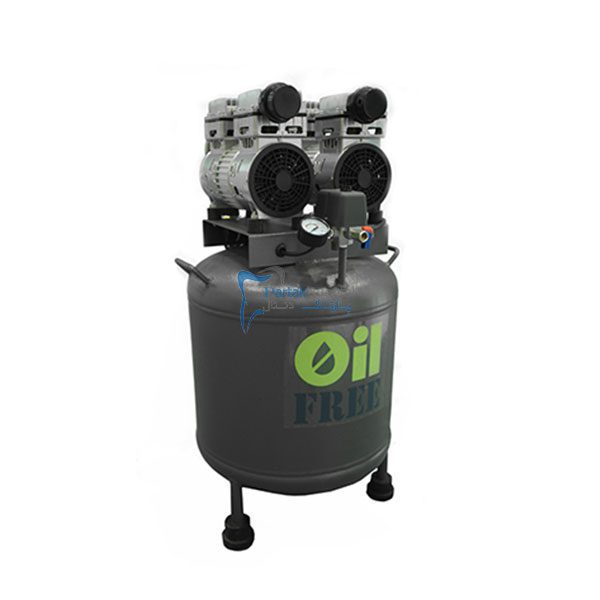
Oil-free compressors require less maintenance as they do not need oil changes. However, they tend to be less durable and have a shorter lifespan. They are suitable for light-duty applications.
Oil-lubricated compressors require regular oil changes but offer better durability, longer lifespan, and higher performance. They are the preferred choice for car washes.
Brand Reputation and Reliability
Choose a compressor from a reputable brand known for quality, durability, and reliable customer support. Research online reviews and testimonials to get an idea of the brand's performance and customer satisfaction.
Maintenance Requirements
Regular maintenance is essential to keep your air compressor running efficiently and prolong its lifespan. Consider the maintenance requirements of different compressor types and choose one that fits your capabilities and budget. Common maintenance tasks include:
- Draining the tank to remove moisture
- Changing the air filter
- Checking and tightening belts
- Lubricating moving parts (for oil-lubricated compressors)
- Inspecting hoses and fittings for leaks
Cost and Budget
Set a budget for your air compressor purchase, considering both the initial cost and long-term operating costs (electricity, maintenance, repairs). While it's tempting to go for the cheapest option, investing in a higher-quality compressor can save you money in the long run due to its durability and efficiency.
Additional Features and Accessories
Consider the following additional features and accessories that can enhance the performance and convenience of your air compressor:
- Automatic shut-off: Automatically shuts off the compressor when the desired pressure is reached, saving energy.
- Pressure regulator: Allows you to adjust the air pressure to match the requirements of different tools.
- Air filters: Remove contaminants from the air, protecting your tools and equipment.
- Air hoses and fittings: Choose high-quality hoses and fittings that can withstand the pressure and demands of your car wash.
- Quick-connect couplers: Allow you to quickly and easily connect and disconnect tools and accessories.
Air Dryers and Filtration
Car washes heavily rely on the quality of compressed air to maintain optimal performance of their equipment and produce the best possible cleaning and drying results. Air dryers and filtration systems play a crucial role in ensuring this quality by removing moisture, oil, and other contaminants from the compressed air. These components are essential for preventing equipment damage, reducing maintenance needs, and improving the efficiency of car wash operations.
Compressed air typically contains moisture, which can lead to various problems, including corrosion, damage to pneumatic tools, and inconsistent operation of car wash equipment. Installing an air dryer helps remove this moisture, ensuring that the air supplied is dry and clean. There are different types of air dryers available, such as refrigerated dryers, desiccant dryers, and membrane dryers. Each type has unique advantages and disadvantages in terms of efficiency, cost, and maintenance requirements. The choice of air dryer depends on the specific needs and budget of the car wash facility.
Air filters are another essential component in maintaining the quality of compressed air. Filters remove solid particles, oil droplets, and other contaminants that can damage equipment and affect the quality of car wash services. There are various types of filters available, including particulate filters, coalescing filters, and activated carbon filters. Particulate filters remove solid particles, coalescing filters remove oil and water droplets, and activated carbon filters remove odors and gaseous contaminants. Combining different types of filters ensures comprehensive cleaning of the compressed air Regular servicing of these filters is essential to maintaining performance. Regular maintenance, including filter replacements and inspection of the air dryer, ensures long-term reliability and efficiency. Consider installing differential pressure gauges across filters to indicate when they are becoming clogged and need replacement.
Installation Considerations
Proper installation is crucial for the safe and efficient operation of your air compressor. Consider these factors:
- Location: Choose a well-ventilated location that is clean, dry, and free from dust and debris.
- Foundation: Place the compressor on a solid, level surface to minimize vibration and noise.
- Electrical connections: Ensure that the electrical connections are properly installed and meet local codes. Consider having a certified electrician handle the wiring.
- Air lines: Use high-quality air lines and fittings that are properly sized for the compressor's output.
- Safety valves: Install safety valves to prevent over-pressurization.
Safety Tips for Using Air Compressors
Always follow these safety tips when using air compressors:
- Wear safety glasses or goggles to protect your eyes from flying debris.
- Use hearing protection to reduce noise exposure.
- Never exceed the compressor's maximum pressure rating.
- Regularly inspect hoses and fittings for leaks or damage.
- Release pressure from the tank before performing maintenance.
- Never point air nozzles at yourself or others.
- Keep children and pets away from the compressor.
Sizing Compressors for car wash needs
Properly determining the air compressor requirements for a car wash begins with a thorough assessment of all air-operated tools and machinery used in the facility. The most critical factor is the amount of compressed air each piece of equipment consumes, typically measured in Cubic Feet per Minute (CFM). Ensure that this number reflects continuous use rather than intermittent bursts to provide a realistic estimate. In addition to CFM, understanding the required pressure (PSI) for all tools is essential, as different tools may require varying pressure levels to function effectively. The compressor should be able to consistently deliver this pressure without straining, as insufficient pressure can reduce tool performance and productivity.
A comprehensive approach involves creating an exhaustive list of all pneumatic tools and equipment in the car wash, noting both the CFM and PSI requirements for each. This can include tire inflators, spray guns, air-powered vacuums, and more complex machinery like automated soap applicators and dryers. For machines that operate periodically, it's still important to consider the frequency and duration of use to estimate overall demand.
With all the CFM requirements of all equipment gathered, sum up the total CFM required. This sum provides a baseline for selecting an air compressor that is powerful enough to meet the total demand. It is typically recommended to add a 20%–30% margin to account for simultaneous operation and any future expansion plans. This buffer ensures that the compressor isn't constantly running at its maximum capacity, which can reduce its lifespan and efficiency.
Compressors come with their tank size rated in gallons. A larger tank generally means a more stable air supply and fewer instances of the compressor cycling on and off to maintain pressure. For a car wash, even a small tank can be useful (such as under 60 gallons), but larger tanks (like 80-120 gallons or more) are typically better suited for bigger machinery systems.
Remote monitoring
Remote monitoring systems provide real-time insights into compressor performance, alerting car wash operators to potential issues before they escalate into costly downtime. These systems track key metrics such as pressure levels, temperature, motor health, and energy consumption with data presented on user-friendly dashboards accessible via computers or mobile devices.
By setting custom alerts for abnormal conditions (e.g., pressure drops, overheating, excessive vibration), remote monitoring systems enable quick intervention, minimizing potential damage and ensuring continuous operation. This predictive maintenance approach reduces the need for reactive repairs, prolongs compressor lifespan, and maximizes operational efficiency.
Many systems will also allow the ability to monitor and track efficiency metrics such as CFM output per kilowatt-hour to help optimize energy usage and reduce operational costs. This function combined with the ability to access historical data enables trend analysis and better decision-making regarding maintenance scheduling and resource allocation.
Top Air Compressor Brands and Models for Car Washes
Some popular and reliable air compressor brands for car washes include:
- Ingersoll Rand
- Quincy Compressor
- Champion Compressors
- Atlas Copco
- DeWalt
- Craftsman
Specific models depend on your needs, but look for features like two-stage compression, high CFM output, large tank capacity, and a durable design.
Conclusion
Choosing the right air compressor for your car wash is a significant investment that can impact your efficiency, productivity, and profitability. By carefully considering the factors outlined in this guide, you can make an informed decision and select a compressor that meets your specific needs and budget. Remember to prioritize CFM, PSI, tank size, duty cycle, and reliability to ensure a long-lasting and efficient solution for your car wash business. Don't rush the decision and consult with experts if needed.