 درباره ما

 تماس با ما

 محصولات


Compressor Repair: Essential Tips for Maintenance and Longevity
Compressor Repair: Essential Tips for Maintenance and Longevity
Compressors are the workhorses of many industries and homes, powering everything from air conditioners to pneumatic tools. Their reliable operation is crucial, and neglecting maintenance can lead to costly repairs and downtime. This guide provides essential tips to ensure your compressor's longevity and prevent common problems.
Understanding the Basics
Before diving into maintenance, it's important to understand the basic types of compressors. Reciprocating compressors are common for smaller applications, while rotary screw compressors are often found in industrial settings. Knowing your compressor type allows you to tailor your maintenance procedures accordingly.
Regular Maintenance: The Key to Longevity
Air Filter Maintenance
The air filter prevents dust and debris from entering the compressor, protecting internal components. A clogged air filter restricts airflow, causing the compressor to work harder and overheat. Check the filter regularly (weekly or monthly, depending on usage) and clean or replace it as needed. A visual inspection should suffice, but refer to the manufacturer's instructions for specific recommendations.
Oil Level and Quality
For oil-lubricated compressors, maintaining the correct oil level and ensuring oil quality are paramount. Low oil levels can lead to increased friction and component wear. Check the oil level before each use and top up as necessary, using the oil type recommended by the manufacturer. Regularly inspect the oil for contamination or discoloration; milky or gritty oil indicates potential problems, demanding immediate attention and an oil change.
Moisture Drainage
Compressors generate condensation, which can cause corrosion and damage. Drain the moisture from the air tank daily or after each use. Many compressors have a drain valve at the bottom of the tank. Bleed the tank entirely to remove any accumulated water.
Belt Inspection and Tensioning (if applicable)
Belt-driven compressors require regular inspection of the belts for wear, cracks, or looseness. Replace worn belts promptly. Proper belt tension is crucial for efficient operation. Consult the manufacturer's instructions for the correct tensioning procedure.
Cooling Fan Inspection
The cooling fan ensures the compressor doesn't overheat. Check the fan for any obstructions that could restrict airflow. Make sure the fan blades are clean and undamaged.
Troubleshooting Common Compressor Problems
Compressor Not Starting
This can be due to several factors, including a tripped circuit breaker, a faulty pressure switch, or a motor problem. Check the circuit breaker first. If that's not the issue, consult a qualified technician.
Low Pressure Output
Low pressure can be caused by leaks in the air lines or fittings, a malfunctioning pressure switch, or a worn-out compressor. Check for leaks using a soapy water solution around connections. If no leaks are found, the pressure switch may need replacement.
Excessive Noise
Unusual noises can indicate loose components, worn bearings, or other mechanical problems. Identify the source of the noise and consult a technician for diagnosis and repair.
Professional Repair and Maintenance
While some maintenance tasks can be performed by the user, complex repairs should be left to qualified technicians. Attempting to repair a compressor without proper training and tools can be dangerous and may void the warranty.
Extending Compressor Life
By following these maintenance tips, you can significantly extend the life of your compressor and avoid costly repairs. Regular inspections, proper lubrication, and prompt attention to potential problems are keys to ensuring its reliable performance for years to come.
Safety Precautions
Always disconnect the compressor from the power source before performing any maintenance. Wear appropriate safety gear, such as safety glasses and gloves. Be cautious when working with compressed air, as it can be dangerous if misused.
This information is for general guidance only. Always consult the manufacturer's manual for specific maintenance requirements and safety procedures for your compressor model.


Compressor Maintenance: Key Tips
Regular maintenance is crucial for compressor longevity. Clean or replace air filters frequently to ensure proper airflow. Check for leaks in hoses and connections, tightening or replacing as needed. Drain moisture from the tank regularly to prevent rust and corrosion. Inspect belts (if applicable) for wear and tear, and replace if necessary. Lubricate moving parts according to the manufacturer's recommendations. Proper maintenance extends the life of your compressor and ensures optimal performance.
- Air Filter: Clean/Replace Regularly
- Leak Check: Hoses & Connections
- Moisture Drain: Prevent Rust
- Belt Inspection: Check for Wear
- Lubrication: Follow Guidelines
Comprehensive Guide to Compressor Repair, Maintenance, and Longevity
Introduction Key to Compressor Longevity: Proactive Maintenance Understanding Compressor Types: A Brief Overview Recognizing the Warning Signs: Identifying Compressor Problems Early Essential Tools and Equipment for Compressor Repair Step-by-Step Guide to Compressor Repair: A Practical Approach Deep Dive into Each Component: Detailed Repair Instructions Safety First: Crucial Safety Precautions During Compressor Repair Advanced Troubleshooting Techniques Optimizing Compressor Performance: Enhancements and Upgrades Avoiding Common Mistakes in Compressor Repair The Role of Lubrication in Compressor Longevity Seasonal Maintenance Checklist: Adapting Your Approach Storage Solutions: Protecting Your Compressor When Not in Use Environmental Considerations: Responsible Disposal and Recycling When to Call a Professional: Knowing Your Limits Cost-Benefit Analysis: Repair vs. Replacement Compressor Repair Checklist: Ensuring Thoroughness Future Trends in Compressor Technology Conclusion: Ensuring a Long Lifespan for Your CompressorIntroduction
Compressors are vital pieces of equipment in numerous industries and workshops, providing the power needed for a variety of tasks, from inflating tires to operating heavy machinery. Understanding how to maintain and repair your compressor is key to ensuring its longevity and consistent performance. This guide provides a comprehensive overview of compressor repair, delving into essential maintenance practices, troubleshooting common issues, and offering practical guidance to keep your compressor running smoothly for years to come.
Key to Compressor Longevity: Proactive Maintenance
The lifespan of a compressor is heavily influenced by the maintenance it receives. Proactive maintenance, including regular cleaning, oil changes, and inspections, can prevent major issues and keep your compressor in optimal condition. Neglecting these essential tasks can lead to decreased efficiency, increased energy consumption, and eventual failure. Implementing a maintenance schedule is essential for extending the life of your compressor and maximizing its performance.
Regular maintenance tasks include:
- Checking and replacing air filters
- Draining moisture from the tank
- Inspecting hoses and fittings for leaks
- Lubricating moving parts
- Verifying the pressure switch operation
Understanding Compressor Types: A Brief Overview
Compressors come in various types, each suited for different applications. Common types include:
- Reciprocating Compressors: Ideal for intermittent use and smaller-scale operations.
- Rotary Screw Compressors: Designed for continuous use and higher air demands.
- Centrifugal Compressors: Used in large-scale industrial applications.
Understanding the type of compressor you have is critical for proper maintenance and repair. Each type has unique components and operational characteristics that require specific care. For example, rotary screw compressors often require more frequent oil changes than reciprocating compressors.
Recognizing the Warning Signs: Identifying Compressor Problems Early
Early detection of compressor problems can prevent minor issues from escalating into major repairs. Common warning signs include:
- Unusual noises
- Decreased air pressure
- Excessive vibration
- Leaks
- Overheating
If you notice any of these signs, it's important to investigate the cause promptly. Ignoring these warning signs can lead to more extensive damage and costly repairs. Regular inspections and attentive listening can help you identify problems early.
Essential Tools and Equipment for Compressor Repair
Having the right tools and equipment is essential for effective compressor repair. A basic toolkit should include:
- Wrenches
- Screwdrivers
- Pliers
- Multimeter
- Air compressor oil
- Thread sealant
- Air filter
- Pressure gauge
- Safety glasses
Additionally, specialized tools like a valve spring compressor or a cylinder hone may be needed depending on the complexity of the repair. Investing in quality tools will not only make the repair process easier but also ensure a more durable and reliable outcome.

Step-by-Step Guide to Compressor Repair: A Practical Approach
This section provides a step-by-step guide to common compressor repairs. Always ensure the compressor is disconnected from the power source before starting any repair work. Here are some common repair processes:
- Draining the Tank: Regularly drain the tank to remove accumulated moisture. This prevents rust and corrosion.
- Replacing the Air Filter: Clean or replace the air filter to ensure optimal airflow.
- Checking and Tightening Fittings: Inspect all fittings for leaks and tighten as necessary. Use thread sealant on threaded connections.
- Replacing the Pressure Switch: If the compressor is not cycling on and off correctly, the pressure switch may need to be replaced.
- Changing the Oil: For oil-lubricated compressors, change the oil according to the manufacturer's recommendations.
Deep Dive into Each Component: Detailed Repair Instructions
A comprehensive repair involves understanding each component's function and how to address its specific issues:
- Motor: Check the motor for overheating or unusual noises. Inspect the windings for damage.
- Pump: Examine the pump for leaks, worn seals, or damaged pistons.
- Check Valve: Test the check valve to ensure it prevents backflow.
- Safety Valve: Verify the safety valve releases pressure at the correct level.
- Pressure Gauge: Ensure the pressure gauge provides accurate readings.
- Air Tank: Inspect the tank for rust, corrosion, and leaks. Consider a professional inspection if you notice any significant issues.
Safety First: Crucial Safety Precautions During Compressor Repair
Safety should always be a top priority when working with compressors. Follow these essential safety precautions:
- Always disconnect the compressor from the power source before starting any repairs.
- Wear safety glasses to protect your eyes from debris.
- Use hearing protection in noisy environments.
- Release all air pressure from the tank before disassembling any components.
- Follow the manufacturer's instructions for safe operation and maintenance.
- Never weld or drill on the air tank without proper training and equipment.

Advanced Troubleshooting Techniques
Some compressor issues require more advanced troubleshooting skills. Here are some techniques to consider:
- Pressure Drop: Use a pressure gauge to identify leaks in the system. Check all fittings, hoses, and connections.
- Overheating: Ensure the motor is adequately ventilated. Clean the cooling fins and check the fan for proper operation.
- Unusual Noises: Use a stethoscope to pinpoint the source of the noise. It could be a worn bearing, a loose component, or a damaged valve.
- Electrical Issues: Use a multimeter to test the voltage, continuity, and resistance of electrical components.
Optimizing Compressor Performance: Enhancements and Upgrades
Improving your compressor’s performance can be achieved through several enhancements and upgrades:
- Upgrading the Air Filter: A high-quality air filter can improve airflow and prevent contaminants from entering the compressor.
- Installing a Larger Tank: A larger tank can provide a more consistent air supply for demanding applications.
- Improving Cooling: Adding a cooling fan or upgrading the cooling system can prevent overheating and improve performance.
- Using Synthetic Oil: Synthetic oil can provide better lubrication and reduce wear on the compressor components.
Avoiding Common Mistakes in Compressor Repair
Avoiding common mistakes can save time and prevent further damage. Here are some pitfalls to avoid:
- Using the Wrong Oil: Always use the oil recommended by the manufacturer.
- Over-Tightening Fittings: Over-tightening can damage the fittings and cause leaks.
- Ignoring Safety Precautions: Always follow safety guidelines to prevent injuries.
- Neglecting Regular Maintenance: Regular maintenance is key to preventing major issues.
- Improper Storage: Store the compressor in a dry, clean environment to prevent corrosion.
The Role of Lubrication in Compressor Longevity
Proper lubrication is crucial for the longevity and performance of oil-lubricated compressors. Lubrication:
- Reduces friction
- Dissipates heat
- Protects against corrosion
- Removes contaminants
Use the oil recommended by the manufacturer and follow the recommended oil change intervals. Regularly check the oil level and condition to ensure optimal lubrication.
Seasonal Maintenance Checklist: Adapting Your Approach
Adjust your maintenance approach based on the season:
- Winter: Protect the compressor from freezing temperatures. Drain the tank regularly to prevent ice buildup.
- Summer: Ensure the compressor is adequately ventilated to prevent overheating.
- Humid Climates: Drain the tank more frequently to remove moisture.
Adapting your maintenance schedule to the changing seasons can help prevent seasonal issues and prolong the life of your compressor.
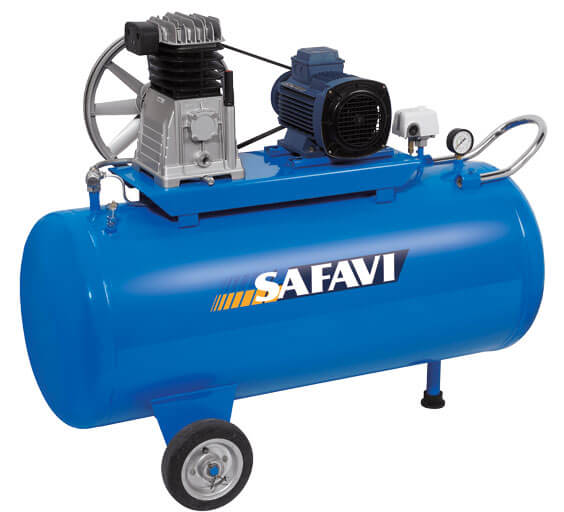
Storage Solutions: Protecting Your Compressor When Not in Use
Proper storage can prevent damage and prolong the life of your compressor. Follow these storage tips:
- Drain the tank completely to remove moisture.
- Clean the exterior of the compressor.
- Store the compressor in a dry, clean environment.
- Cover the compressor to protect it from dust and debris.
Storing your compressor properly when it's not in use will help prevent corrosion, damage, and premature failure.
Environmental Considerations: Responsible Disposal and Recycling
Dispose of used oil, filters, and other compressor components responsibly. Follow local regulations for proper disposal and recycling. Consider recycling metal components and using environmentally friendly oil.
When to Call a Professional: Knowing Your Limits
While many compressor repairs can be done DIY, some issues require a professional. Call a professional if:
- You are not comfortable working with electrical components.
- The compressor has major structural damage.
- You are unsure about the cause of the problem.
Attempting complex repairs without the proper knowledge and equipment can lead to further damage and potential safety hazards.
Cost-Benefit Analysis: Repair vs. Replacement
Consider the cost of repair versus replacement when deciding how to proceed. Factors to consider include:
- The age of the compressor
- The cost of the repair
- The availability of replacement parts
- The cost of a new compressor
In some cases, repairing an older compressor may not be cost-effective. A new compressor may offer better performance, efficiency, and reliability.
Compressor Repair Checklist: Ensuring Thoroughness
Use this checklist to ensure you don't miss any steps during a compressor repair:
- Disconnect the compressor from the power source.
- Release all air pressure from the tank.
- Inspect all components for damage.
- Replace any worn or damaged parts.
- Lubricate moving parts.
- Tighten all fittings and connections.
- Test the compressor for proper operation.
- Document the repair for future reference.
Future Trends in Compressor Technology
The field of compressor technology is constantly evolving. Emerging trends include:
- Smart Compressors: Compressors with built-in sensors and control systems that optimize performance and provide real-time data.
- Energy-Efficient Designs: New compressor designs that reduce energy consumption and lower operating costs.
- Sustainable Materials: Use of environmentally friendly materials in compressor construction.
Staying informed about these trends can help you make informed decisions about compressor maintenance and upgrades.

Conclusion: Ensuring a Long Lifespan for Your Compressor
Proper maintenance and timely repairs are critical for ensuring a long lifespan for your compressor. By following the guidelines in this comprehensive guide, you can keep your compressor running smoothly, efficiently, and reliably for years to come.