 درباره ما

 تماس با ما

 محصولات


Food Industry Compressors: Standards and Key Considerations


Food Grade Air Compressors: Standards & Essentials
Standards Overview:
- ISO 22000: Food safety management systems.
- BRCGS: Global food safety standards.
- SQF: Safe Quality Food program.
Key Considerations:
- Oil-free design to prevent contamination.
- Regular maintenance & filter replacements.
- Material certification (FDA compliance).
- Air quality testing.
Disclaimer: Consult with experts for specific requirements.
Compressors in the Food Industry: Standards and Critical Considerations
Compressed air is an essential utility in the food and beverage industry, powering a wide range of processes, from packaging and processing to conveying and cleaning. However, the use of compressed air introduces a potential risk of contamination, which can compromise product safety and quality. Therefore, it's crucial to use food-grade compressors that meet stringent standards and regulations.
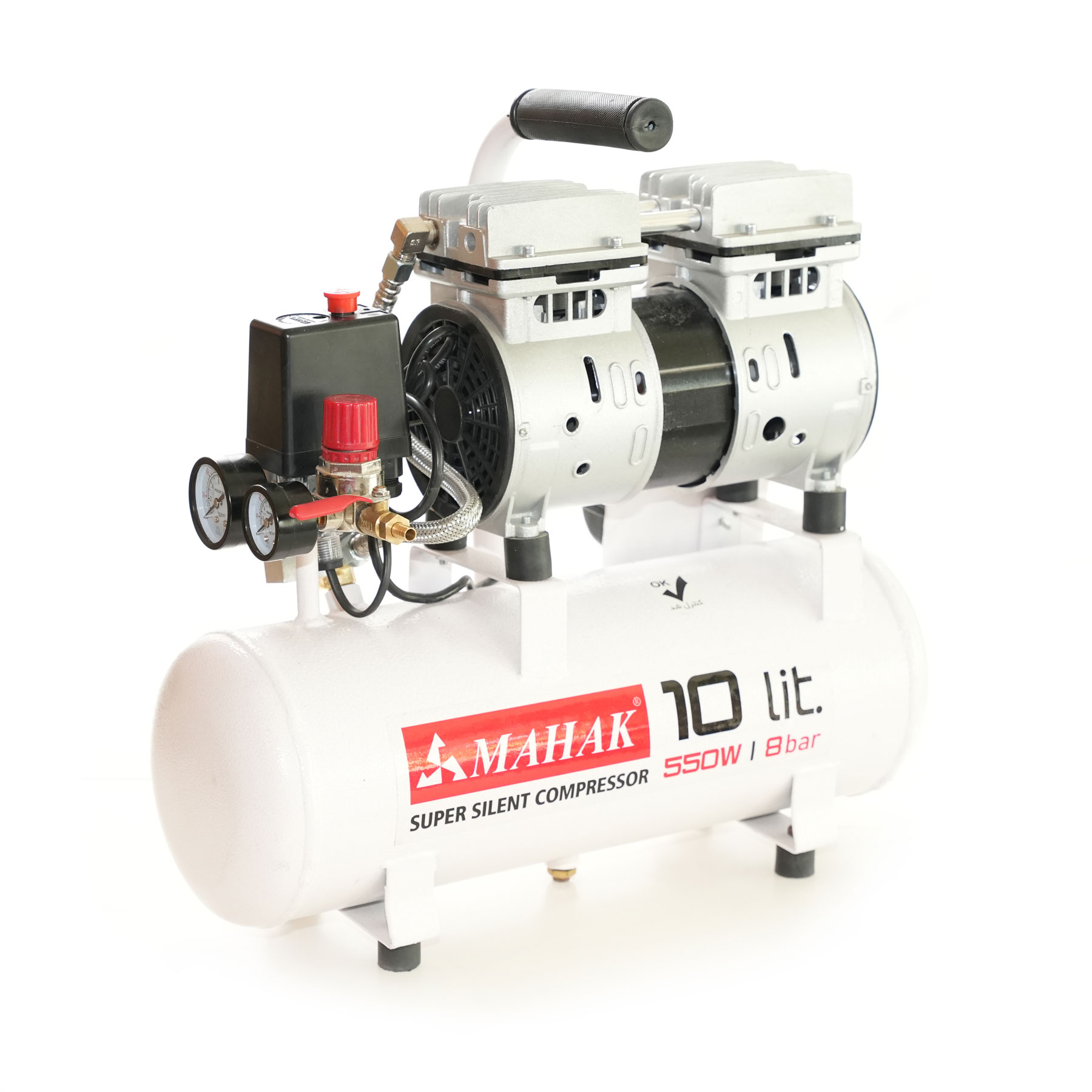
Types of Compressors Used in the Food Industry
Several types of compressors are suitable for food processing applications. Each type has its advantages and disadvantages in terms of cost, efficiency, and air quality. The most common types include:
- Reciprocating Compressors: These are positive displacement compressors that use a piston to compress air. They are suitable for lower volume applications.
- Rotary Screw Compressors: These compressors use rotating screws to compress air. They are more efficient and reliable than reciprocating compressors, especially for continuous operation. They are a good solution for mid to large size companies to minimize energy cost
- Oil-Free Compressors: These compressors are designed to prevent oil from contaminating the compressed air. They are highly recommended for food and beverage applications where air purity is critical.
- Centrifugal Compressors: These compressors use a rotating impeller to increase the velocity and pressure of the air. They are typically used in large-scale industrial applications.

Standards and Regulations for Food-Grade Compressors
To ensure the safety and quality of food products, several standards and regulations govern the use of compressed air in the food industry. Key standards include:
- ISO 22000: Food safety management systems — Requirements for any organization in the food chain.
- BRC Global Standards: A leading global food safety and quality certification program.
- SQF (Safe Quality Food) Program: Another globally recognized food safety and quality certification program.
- FDA (Food and Drug Administration) Regulations: In the United States, the FDA regulates the use of compressed air in food processing.
These standards address aspects such as air quality, lubricant selection, and maintenance practices to minimize the risk of contamination.

Food-Grade Lubricants: A Critical Component
When using lubricated compressors, it's essential to use food-grade lubricants. These lubricants are specifically formulated to be non-toxic and safe for incidental contact with food products. Food-grade lubricants must meet the requirements of:
- NSF H1 Registration: This certification indicates that the lubricant is acceptable for use in food processing environments where incidental food contact may occur.
- ISO 21469: This standard specifies hygiene requirements for the manufacture, handling, and use of lubricants that may come into contact with food products.
Using non-food-grade lubricants can lead to contamination and pose a serious health risk. It may also cause costly recalls and damage to your organization's reputation.
Maintaining Air Quality and Filtration Systems
Maintaining high air quality is of utmost importance in the food industry. Compressed air can contain contaminants such as:
- Oil: Carried over from lubricated compressors.
- Water: Condensed from atmospheric humidity.
- Particulates: Dust, rust, and other solid particles.
- Microorganisms: Bacteria, mold, and other microbes.
These contaminants can compromise food safety and quality. Implementing a robust filtration system is crucial to remove these contaminants
A typical filtration system may include:
- Inlet Air Filters: These filters remove large particles from the incoming air.
- Coalescing Filters: These filters remove oil and water aerosols.
- Particulate Filters: These filters remove fine particles.
- Adsorption Dryers: To eliminate moisture that could foster microbial growth
- Activated Carbon Filters: These filters remove odors and volatile organic compounds (VOCs).
- Sterile Air Filters: These filters remove microorganisms.
Regularly monitoring and maintaining the filtration system is essential to ensure its effectiveness. This includes replacing filters according to the manufacturer's recommendations and checking for leaks or damage.
Installation and Maintenance Best Practices
Proper installation and maintenance are critical to ensure the reliable and safe operation of food-grade compressors. Key considerations include:
- Siting the Compressor: Locate the compressor in a clean, dry, and well-ventilated area, free from potential sources of contamination.
- Piping and Connections: Use appropriate materials and fittings that are compatible with compressed air and food-grade lubricants. Ensure proper sealing to prevent leaks.
- Regular Inspections: Conduct regular visual inspections to check for leaks, damage, and unusual noises or vibrations.
- Preventative Maintenance: Follow the manufacturer's recommended maintenance schedule, including changing filters, lubricants, and other components.
- Air quality testing: Regularly test compressed air samples to ensure they meet the required quality standards.
- Training: Ensure that personnel responsible for operating and maintaining the compressor are properly trained on relevant procedures and safety protocols.
Energy Efficiency Considerations
Compressed air systems can be significant energy consumers in food processing plants. Optimizing energy efficiency can reduce operating costs and minimize environmental impact. Consider the following measures:
- Leak Detection and Repair: Regularly inspect the compressed air system for leaks and repair them promptly.
- Proper Sizing: Choose a compressor that is appropriately sized for the application to avoid wasting energy.
- Variable Speed Drives (VSDs): Consider using compressors with VSDs, which can adjust the motor speed to match the air demand, reducing energy consumption.
- Heat Recovery: Explore opportunities to recover waste heat from the compressor for other uses, such as heating water or space heating.
Risk Assessment and Mitigation
Performing a thorough risk assessment is essential to identify potential hazards associated with compressed air systems in the food industry.
Consider the following factors:
- Potential Sources of Contamination: Identify all potential sources of contamination, such as oil carryover, water condensation, and particulate matter.
- Vulnerable Points in the System: Assess the vulnerability of different parts of the compressed air system to contamination.
- Impact on Food Safety: Evaluate the potential impact of contamination on food safety and quality.
- Existing Control Measures: Review existing control measures, such as filtration systems and maintenance practices.
- Additional Mitigation Measures: Identify additional measures to mitigate the identified risks, such as upgrading filtration systems, improving maintenance procedures, or switching to oil-free compressors.
Document the risk assessment findings and implement a plan to address the identified risks.
Case Studies and Examples
Examining real-world scenarios can provide valuable insights into the importance of food-grade compressors and best practices. Here are example topics:
- Case Study 1: A food processing plant experiences a product recall due to oil contamination from a non-food-grade compressor.
- Case Study 2: A brewery implements an oil-free compressed air system and achieves significant improvements in air quality and product consistency.
- Case Study 3: A bakery optimizes its compressed air system with VSDs and heat recovery, resulting in significant energy savings.
- Example 1: NSF H1 lubricants used in a dairy processing facility to prevent contamination during pneumatic valve operation.
- Example 2: A beverage bottler uses a multi-stage filtration system to maintain sterile compressed air for filling operations.
Future Trends in Food-Grade Compression
The food industry is constantly evolving, and advancements in compressed air technology are emerging. Some future trends to watch include:
- Enhanced Monitoring Systems: Real-time monitoring of air quality and compressor performance using sensors and Internet of Things (IoT) technology.
- Advanced Filtration Technologies: Development of more efficient and effective filtration systems to remove even the most challenging contaminants.
- Predictive Maintenance: Using data analytics and machine learning to predict maintenance needs and prevent potential failures.
- Sustainable Compression Solutions: Focus on developing more energy-efficient and environmentally friendly compressed air systems.
Conclusion
Using food-grade compressors and implementing appropriate standards and practices is essential for ensuring the safety and quality of food products. By understanding the different types of compressors, adhering to relevant regulations, using food-grade lubricants, maintaining air quality, and implementing best practices for installation and maintenance, food processing companies can minimize the risk of contamination and protect their brand reputation.