 درباره ما

 تماس با ما

 محصولات


Sure, here's a translation of that title into English, without any additional explanation: Only the highest quality compressor: A buyer's guide
Only the Highest Quality Compressor: A Buyer's Guide
Choosing the right air compressor can be a daunting task. The market is flooded with options, each promising to be the best. However, not all compressors are created equal. This guide focuses solely on high-quality compressors, designed for longevity, performance, and reliability.
Why Opt for High-Quality?
Investing in a high-quality compressor might seem expensive upfront, but it pays off in the long run for several compelling reasons:
- Durability: High-quality compressors are built with robust materials and meticulous craftsmanship. They are designed to withstand rigorous use and last for years, if not decades.
- Performance: They deliver consistent air pressure and flow, ensuring optimal performance for your tools and applications. Forget about pressure drops or inconsistent power.
- Reliability: High-quality compressors are engineered for consistent, dependable operation. They require less maintenance and are less prone to breakdowns, saving you time and money on repairs.
- Efficiency: While the initial cost may be higher, high-quality compressors often boast better energy efficiency. This translates to lower energy bills over their lifespan, making them a cost-effective choice.
- Resale Value: A well-maintained, high-quality compressor retains its value better than cheaper models, making it a good investment if you ever decide to upgrade or sell it.
Key Features to Look For:
When evaluating a high-quality compressor, consider these essential features:
- Build Quality: Examine the materials used. Cast iron cylinders are preferred for their durability and heat dissipation. Look for sturdy construction and well-crafted components. Pump construction is a key indicator of overall quality.
- Duty Cycle: The duty cycle indicates the percentage of time the compressor can operate continuously. A higher duty cycle signifies better performance and ability to handle demanding tasks. Search for compressors with a duty cycle of 70% or higher for professional use.
- Motor: Opt for a powerful and efficient motor, typically measured in horsepower (HP). Consider the voltage requirements and ensure they match your electrical setup. Also, look at the start type. Magnetic starters used in higher-power systems are more reliable.
- Tank Size and Type: The tank size determines the air reserve. Larger tanks are suitable for applications requiring continuous airflow. Horizontal and vertical tank options are available; choose one that fits your workspace. Tank material and coating play a role in resistance to rust and corrosion.
- Pump Type: Different pump types cater to specific needs. Reciprocating (piston) compressors are common, but scroll and rotary screw compressors offer higher efficiency and quieter operation for industrial applications. Select the pump best tailored to your workload.
- Noise Level: Compressors can be noisy. Consider the noise level (measured in decibels, dB) if you work in a noise-sensitive environment. Look for compressors with noise reduction technologies.
- Warranty and Support: A comprehensive warranty and reliable customer support are crucial. Choose a brand known for its commitment to quality and customer satisfaction.
- Brand Reputation: Research the reputation of the manufacturer. Established brands with a proven track record of producing high-quality compressors are generally a safer bet.
Types of Compressors:
High-quality compressors come in various types, each with its strengths and weaknesses:
- Reciprocating (Piston) Compressors: Versatile and widely used, suitable for a broad range of applications.
- Rotary Screw Compressors: Highly efficient and reliable, ideal for continuous operation and industrial use.
- Scroll Compressors: Quiet and efficient, suitable for applications where noise is a concern.
Budget Considerations:
While this guide emphasizes high-quality, budget is still a factor. Determine your needs and prioritize features accordingly. Investing in a slightly more expensive, high-quality compressor is often more cost-effective than buying a cheaper model that will fail prematurely.
Conclusion:
Choosing the right compressor is an investment. By prioritizing quality, durability, and performance, you can ensure years of reliable service and avoid the frustration of a substandard product. Do your research, consider your needs, and invest in a compressor that will stand the test of time.


Choosing a Quality Air Compressor: A Quick Guide
A quality air compressor is essential for various tasks, from DIY projects to professional applications. Here's a brief overview to help you make an informed decision.
Key Considerations
- Size and Power (CFM & PSI): Match the compressor's output to your tool's requirements. Higher CFM & PSI for demanding tasks.
- Type (Portable, Stationary, etc.): Choose based on your needs and workspace layout.
- Tank Size: Larger tanks provide longer run times.
- Durability & Build Quality: Look for a robust build and reliable components.
- Oil-Free vs. Oil-Lubricated: Oil-free for less maintenance, oil-lubricated for longer life.
Tips for Purchasing
- Read Reviews: Check online reviews for real-world feedback.
- Consider the Noise Level: Some compressors are louder than others.
- Check the Warranty: A good warranty indicates quality and manufacturer confidence.
- Budget: Balance cost with features and quality.
By considering these factors, you can select an air compressor that will provide reliable performance for years to come.
A Comprehensive Guide to Buying a Quality Air Compressor
An air compressor is a versatile tool used in a wide range of applications, from inflating tires and powering air tools to supporting industrial processes and even medical equipment. Choosing the right air compressor is crucial for ensuring optimal performance, efficiency, and longevity. This guide will walk you through the essential factors to consider when purchasing an air compressor, helping you make an informed decision that meets your specific needs.
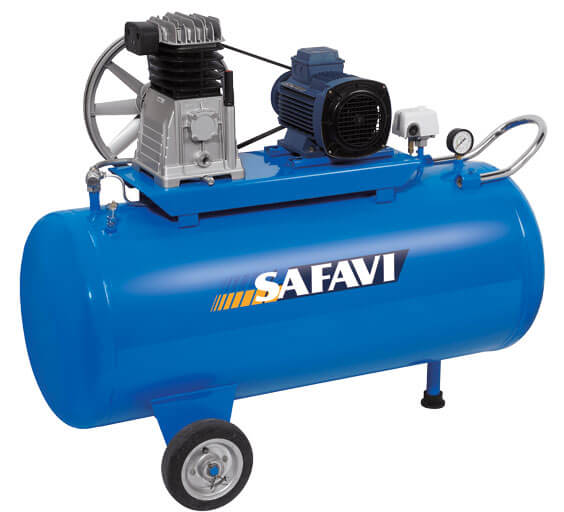
Types of Compressors
Understanding the different types of air compressors is the first step in selecting the right one. Each type has its own advantages and disadvantages, making them suitable for different applications.
- Reciprocating Compressors (Piston Compressors): These are the most common type, using a piston and cylinder to compress air. They are generally less expensive and suitable for intermittent use. They come in single-stage and two-stage configurations. Two-stage compressors provide higher pressure and are more efficient for heavy-duty applications.
- Rotary Screw Compressors: These compressors use rotating screws to compress air continuously. They are more expensive than reciprocating compressors but offer higher efficiency, longer lifespan, and quieter operation. They are ideal for continuous use in industrial settings.
- Scroll Compressors: Scroll compressors use two spiral-shaped scrolls to compress air. They are known for their quiet operation, efficiency, and reliability. They are commonly used in HVAC systems and applications requiring clean, oil-free air.
- Centrifugal Compressors: These compressors use a rotating impeller to increase the velocity of air, then convert the kinetic energy into pressure. They are typically used for high-volume, low-pressure applications in large industrial facilities.
Critical Features to Consider When Buying an Air Compressor
Several features are critical to consider when choosing an air compressor. These features directly impact the compressor's performance, durability, and suitability for your specific tasks.
- CFM (Cubic Feet per Minute): CFM measures the volume of air the compressor can deliver at a specific pressure. It is a crucial factor in determining whether the compressor can power your air tools effectively. Make sure the compressor's CFM rating meets or exceeds the requirements of your air tools. Failing to do so will result in poor performance and potential damage to your equipment.
- PSI (Pounds per Square Inch): PSI indicates the maximum pressure the compressor can generate. Different air tools require different PSI levels. Ensure the compressor's PSI is sufficient for your tools.
- Tank Size: The tank size determines how long you can use the compressor before it needs to refill. A larger tank provides a more consistent air supply and reduces the frequency of motor cycling.
- Horsepower (HP): Horsepower indicates the motor's power. Higher horsepower generally means faster recovery time and the ability to handle more demanding tasks.
- Duty Cycle: The duty cycle refers to the percentage of time the compressor can run continuously without overheating. A higher duty cycle is essential for continuous use applications.
- Oil-Free vs. Oil-Lubricated: Oil-free compressors are easier to maintain but may have a shorter lifespan. Oil-lubricated compressors require more maintenance but are typically more durable and efficient. If you need extremely clean air, consider an oil-free model.
Size and Capacity: Matching Your Needs
Choosing the right size and capacity of an air compressor is essential for ensuring it can handle your intended applications without being underpowered or excessively large. Here’s what you need to consider:
- Small Compressors (1-6 Gallon): These are portable and suitable for light-duty tasks like inflating tires, powering nail guns, and small airbrushing projects. They are ideal for home use and DIY projects.
- Medium Compressors (10-30 Gallon): These compressors offer more power and capacity, making them suitable for tasks like automotive work, framing, and larger painting projects. They are a good choice for small businesses and serious hobbyists.
- Large Compressors (60+ Gallon): These are heavy-duty compressors designed for industrial applications. They can power multiple air tools simultaneously and are suitable for continuous use. They are commonly used in auto repair shops, manufacturing facilities, and construction sites.
Power Source: Electric vs. Gas
Air compressors can be powered by either electricity or gas. The choice between the two depends on your needs, location, and the availability of power sources.
- Electric Compressors: Electric compressors are more common and suitable for indoor use. They are quieter, produce no emissions, and require less maintenance than gas-powered compressors. They are available in 120V and 240V models. 240V models provide more power and are suitable for heavy-duty applications.
- Gas Compressors: Gas compressors are portable and can be used in remote locations where electricity is not available. They are more powerful than electric compressors but are also louder, produce emissions, and require more maintenance. They are commonly used in construction sites and other outdoor applications.
Portability and Storage
Portability and storage are important considerations, especially if you need to move the compressor frequently or have limited space.
- Wheel Kits: Compressors with wheel kits are easy to move around a job site or garage.
- Compact Designs: Some compressors are designed to be compact and lightweight, making them easy to store in small spaces.
- Vertical vs. Horizontal Tanks: Vertical tanks take up less floor space than horizontal tanks.

Noise Level: Keeping it Down
Air compressors can be noisy, which can be a nuisance in residential areas or enclosed workspaces. Consider the noise level of the compressor before making a purchase.
- Sound Levels (dB): Check the compressor's sound level rating in decibels (dB). Lower dB ratings indicate quieter operation.
- Sound Dampening Features: Some compressors have sound dampening features, such as insulated housings and vibration-reducing mounts.
Safety Features
Choosing an air compressor with appropriate safety features is vital for maintaining a safe working environment. Neglecting safety measures can lead to severe injuries or equipment damage.
- Pressure Relief Valve: This valve automatically releases excess pressure to prevent over-pressurization and potential explosions.
- Thermal Overload Protection: This feature shuts off the motor if it overheats, preventing damage to the compressor and reducing the risk of fire.
- Tank Drain Valve: Draining the tank regularly removes accumulated moisture, preventing corrosion and extending the tank's lifespan. Failure to drain the tank can lead to rust, weakening the tank's structural integrity and posing a significant safety hazard.
- Safety Glasses: Always wear safety glasses when operating or maintaining an air compressor to protect your eyes from debris and compressed air hazards.
Brand Reputation and Warranty
Purchasing an air compressor from a reputable brand can provide peace of mind and ensure quality. Look for brands known for their reliability, performance, and customer support.
- Research: Read reviews and compare different brands to see which ones have a good reputation.
- Warranty: Check the warranty offered by the manufacturer. A longer warranty period indicates the manufacturer's confidence in their product. Also, thoroughly read the warranty terms to understand what is covered and what conditions apply to prevent potential issues later on..
- Customer Support: Ensure the brand offers good customer support in case you have any issues with the compressor.
Budget Considerations: Price vs. Value
Air compressors range in price from a few hundred dollars to several thousand dollars. Set a budget and consider the long-term value of the compressor when making a purchase.
- Initial Cost: Consider the initial cost of the compressor, but don't sacrifice quality for a lower price. Also, budget for essential accessories, such as air hoses, fittings, and air tools.
- Operating Costs: Factor in the operating costs, such as electricity or gas consumption and maintenance expenses.
- Longevity: A higher-quality compressor may cost more initially but can last longer and require less maintenance, saving you money in the long run.

Maintenance and Upkeep
Proper maintenance is essential for extending the lifespan of your air compressor and ensuring optimal performance.
- Regular Cleaning: Keep the compressor clean and free of debris.
- Drain the Tank: Drain the tank regularly to remove accumulated moisture. Neglecting this step can lead to rust and compromise the tank's integrity.
- Check Hoses and Fittings: Inspect hoses and fittings for leaks or damage.
- Change the Oil (Oil-Lubricated Compressors): Change the oil according to the manufacturer's recommendations.
- Clean or Replace Air Filters: Keep the air filters clean to ensure proper airflow. Dirty filters can reduce the compressor's efficiency and cause it to overheat.
Common Problems and Troubleshooting
Knowing how to troubleshoot common problems can save you time and money. Here are some common issues and their solutions:
- Compressor Won't Start: Check the power supply, overload protection, and pressure switch.
- Low Air Pressure: Check for leaks, clogged air filters, and a faulty pressure regulator.
- Excessive Noise: Check for loose components, worn bearings, and a damaged motor.
- Overheating: Check for clogged air filters, inadequate ventilation, and a faulty thermal overload switch.
Conclusion
Choosing the right air compressor requires careful consideration of your specific needs, budget, and intended applications. By understanding the different types of compressors, critical features, and maintenance requirements, you can make an informed decision that ensures optimal performance and longevity. Remember to prioritize safety and invest in a quality compressor from a reputable brand. Following this guide will help you select an air compressor that will serve you well for years to come.